Loading...
Serving Easton, MA and surrounding areas. (774) 568-8870
Everything above ground depends on what is below it. We install new foundations in Easton with the frost-depth design, exterior waterproofing, and drainage this climate requires - and we handle every permit and inspection with the town.
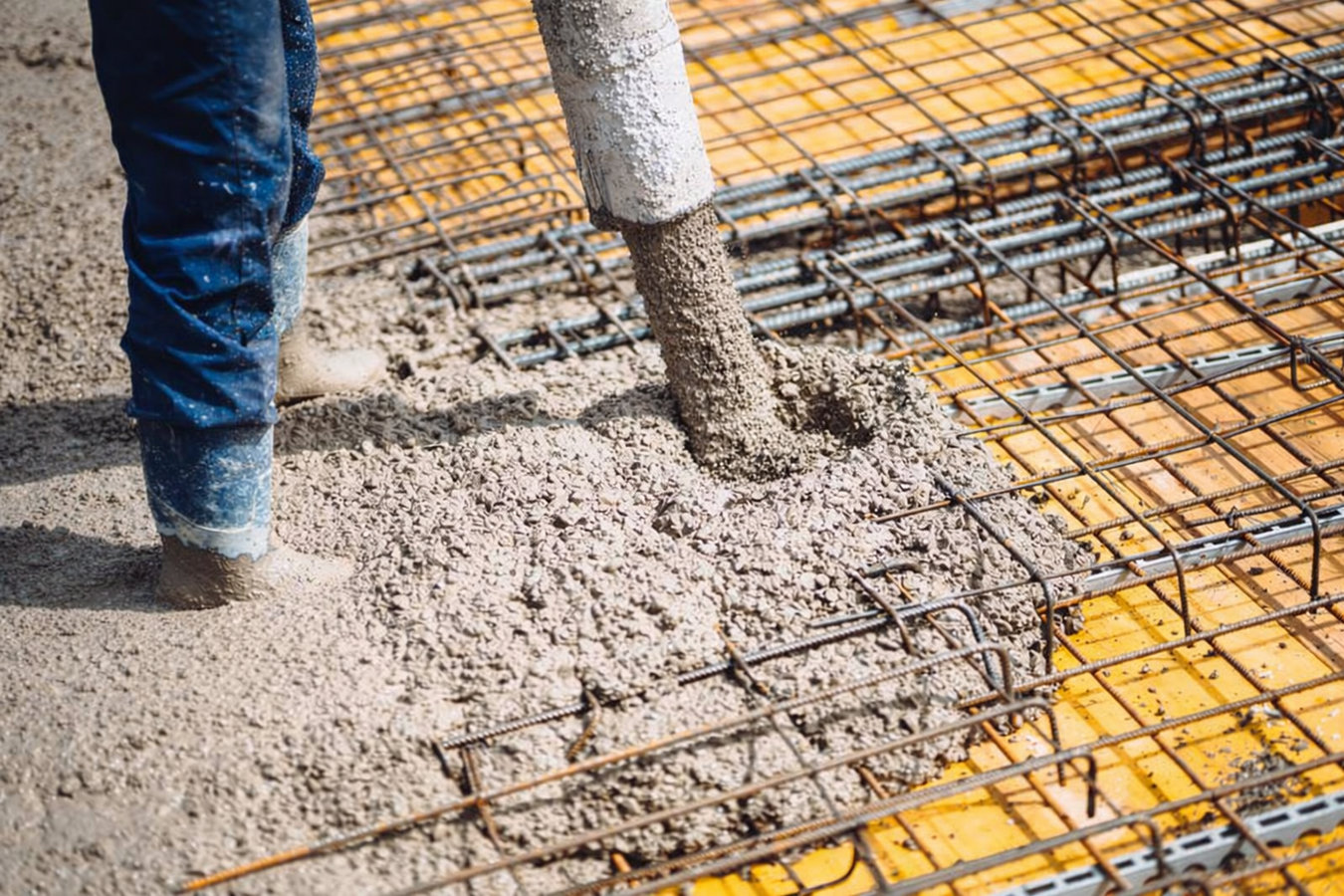
Foundation installation in Easton means excavating the build site, setting forms for the foundation walls and footings, pouring reinforced concrete, applying exterior waterproofing to the walls before backfilling, and installing footing drainage to carry groundwater away from the structure - most standard single-family foundations take two to four weeks from first excavation to framing-ready handoff.
A significant share of Easton homes were built in the 1950s through 1980s, and many of those original poured concrete or concrete block foundations are now reaching the end of their useful life. Foundation replacement is more complex than new construction because the house must be temporarily supported while the old foundation is removed - but it is a well-understood process when handled by a contractor who has done it before in this area's conditions.
For smaller outbuildings, garages, and additions where a basement is not needed, our slab foundation building service is often the faster and more cost-effective choice. Not sure which type fits your project? Contact us and we will give you a straight answer.
Cracks that follow a stair-step pattern along mortar joints of a block foundation, or diagonal cracks spreading from wall corners, signal that the foundation is under stress. In Easton's older homes - many built with concrete block in the 1960s and 70s - this pattern often means slow shifting over years. Cracks wider than a quarter inch, or cracks that are growing, deserve a professional evaluation before the next winter makes things worse.
When a foundation shifts, the house frame moves with it, and the first sign is usually doors or windows that no longer operate smoothly. If a door that used to swing freely now drags on the floor, or a window that opened easily now sticks, the house may be telling you something is moving below. This is worth paying attention to in Easton homes built on sandy or gravelly glacial soils, where gradual settlement can happen quietly over many years.
Easton gets roughly 48 inches of precipitation per year, and if your basement floor is wet after a storm, your foundation drainage system is not doing its job. This could mean the waterproofing has failed, footing drains are clogged, or cracks have opened up wide enough to let water through. Persistent moisture leads to mold, damaged framing, and eventually structural problems - it does not resolve on its own.
Stand in your basement and look at the long walls. If they curve inward even slightly, soil pressure from outside is pushing against the foundation. This is more common after a wet Easton spring when saturated soil is significantly heavier than dry soil. A bowing wall is a structural problem, not cosmetic, and it gets worse over time. Early intervention is far less expensive than waiting.
Every foundation project we take on in Easton includes the full scope: excavation, forming and pouring reinforced concrete walls and footings, exterior waterproofing applied to the walls before any soil goes back in, and a perforated footing drain at the base of the walls to manage groundwater. We do not treat waterproofing as an upsell - once the backfill goes in, those walls are inaccessible for decades. Getting it right the first time is the only time you will want to pay for it. We also handle the complete permit process with the Town of Easton Building Department, including pre-pour and pre-backfill inspections. See our slab foundation building page for projects where a basement is not required.
For homeowners who are building a new structure and also need a large paved surface nearby - a driveway, parking area, or access pad - we can coordinate that work with our concrete parking lot building service so both projects are sequenced properly and the site is disturbed only once.
Best for new home construction or major additions where below-grade living space, storage, or mechanical room access is part of the plan.
Best for Easton homes with failing mid-century block or poured concrete foundations that are cracking, bowing, or letting in water and are past the point of repair.
Best for additions and renovations where a partial below-grade space is needed for mechanical systems but a full basement is not part of the project scope.
Best for new-build projects on vacant lots or after teardown, where the foundation is being designed alongside the structure above from the ground up.
Easton sits on glacially deposited soils - a mix of sandy loam, gravel, and occasional buried boulders left by the last ice age. While sandy soils drain well, they can shift, and hitting ledge rock during excavation is not unusual in this part of Bristol County. Ledge can add thousands of dollars to a project because it requires specialized equipment to break through. A contractor who has worked in this area knows to discuss this possibility upfront and factor it into their contingency planning. Add to that the frost-depth requirement for this region - foundations must extend deep enough to avoid being heaved by freeze-thaw cycles every winter - and you can see why local experience is not interchangeable with general concrete work. Homeowners in nearby Raynham and Stoughton face the same glacial soil conditions and building department requirements, and our work across the region reflects that consistent local knowledge.
Parts of Easton - particularly areas near Queset Brook - have naturally higher water tables, which means active groundwater management during excavation and robust drainage as part of the foundation design are not optional extras. Roughly 48 inches of annual precipitation falls in this area, and a foundation without proper drainage will show you that problem within a season or two. The Dig Safe Massachusetts utility marking service is required before any excavation - we handle this call as a standard part of every project. All foundation work in Easton requires a permit and multiple inspections through the Town of Easton Building Department, and we welcome every one of those inspections.
We reply within one business day and schedule a site visit to review your lot, discuss what you are building, and identify any access or soil challenges. You receive a written quote that breaks down excavation, materials, labor, waterproofing, drainage, and permits separately - not a lump sum.
We apply for the building permit with the Town of Easton and contact Dig Safe to have underground utilities marked before any digging starts - both are required by law and both are our responsibility. Allow one to two weeks for permit approval. We keep you updated on where things stand.
Heavy equipment will be on your property for one to three days during excavation. After the hole is dug, we set the forms and schedule a pre-pour inspection with the town. Once the inspector signs off, the concrete truck arrives and the pour is typically completed in a single day.
After about a week of curing, we apply exterior waterproofing and install the footing drain. A second inspection happens before any soil goes back in - this is your protection. Once the inspector passes the work, we backfill, grade the site to direct water away, and walk you through everything at completion.
Spring is the best time to pour in Massachusetts - contact us now to lock in your start date before the season fills up. No obligation, no pressure.
(774) 568-8870Exterior waterproofing is a standard part of every foundation we build - not a line item you have to ask about or negotiate for. Once the soil is backfilled, accessing those walls again means digging everything up. We get it right the first time so you are not making that call three years from now.
Ledge rock is a genuine possibility on Easton lots given the glacial geology of this part of Bristol County. We talk about that risk before the contract is signed, explain how it would affect your cost if we encounter it, and give you the information you need to plan. A quote that never mentions ledge is not a better quote - it is an incomplete one.
Foundation work in Easton requires inspections at multiple stages - before the pour and before backfill. We schedule these with the town, let you know when they are happening, and provide you with all completed paperwork at the end of the job. The American Concrete Institute publishes the standards our work is built to - and those inspections verify we are meeting them.
In Easton, foundations must extend at least 48 inches below grade to avoid the freeze-thaw heaving that breaks foundations not built to this standard. This depth requirement is not a suggestion - it is what separates a foundation that holds for decades from one that starts moving within a few winters. We design to it on every job, not just when the inspector is watching.
A foundation is the one part of your home that cannot be easily fixed after the fact. Getting the waterproofing, the drainage, and the depth right the first time is what protects every dollar you spend on everything above it.
Poured concrete driveways and parking surfaces for residential and commercial properties in Easton and nearby towns.
Learn MoreOn-grade slab foundations for garages, additions, and outbuildings where a full basement is not part of the project.
Learn MoreSpring and summer slots fill quickly - contact us now for a free site visit and written estimate while the schedule is still open.